Tragedy in the Central Mediterranean
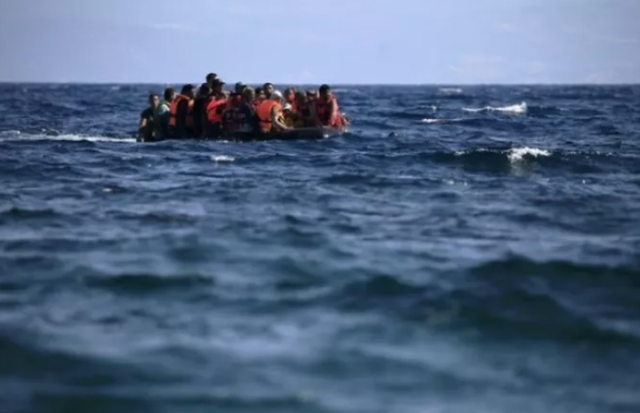
A devastating maritime disaster has claimed the lives of at least 53 migrants after a rubber boat carrying 55 people capsized off the north-western coast of Libya. According to the International Organization for Migration (IOM), only two women survived the incident, highlighting once again the extreme dangers faced by migrants attempting to cross the Mediterranean Sea. The vessel reportedly departed late at night from the coastal city of al-Zawiya before overturning several hours later near the waters north of Zuwara. Rescue teams described the incident as one of the deadliest migrant tragedies reported in early 2026. The disaster underscores the ongoing humanitarian crisis unfolding along migration routes toward Europehttps://www.bbc.com/news/world-africa
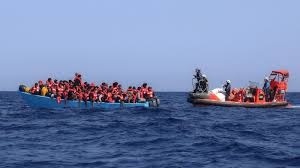
The two Nigerian women who survived were rescued by Libyan authorities and later received urgent medical assistance from humanitarian teams. According to IOM officials, one of the survivors lost her husband during the tragedy, while the other reported the deaths of her two infants. Their testimonies suggest that the overcrowded rubber boat struggled against harsh sea conditions shortly after departure. Survivors explained that many passengers were already exhausted after long journeys across Africa before boarding the vessel. Humanitarian workers say such stories reflect the desperation that drives migrants to risk dangerous crossings despite repeated warnings.
Rising Death Toll Along Libya’s Migration Route
IOM estimates that nearly 500 migrants have been reported dead or missing along the Libya-to-Europe route by February 2026 alone. The central Mediterranean remains one of the world’s most dangerous migration corridors, where overcrowded and poorly maintained boats frequently encounter storms or mechanical failures. Experts believe the real number of victims could be significantly higher because many shipwrecks go unreported. Humanitarian organizations argue that winter weather patterns have made crossings even more hazardous this year. Despite these risks, migration attempts continue as conflicts and economic instability push people to leave their home countries.
Since the fall of former leader Muammar Gaddafi in 2011, Libya has become a major transit point for migrants from Sub-Saharan Africa seeking entry into Europe. The country’s ongoing political instability has allowed smuggling networks to operate with relative freedom along the coastline. Migrants often gather in informal camps or detention centers while waiting for opportunities to cross the sea. Human rights groups have repeatedly warned about unsafe conditions and lack of protection for migrants inside Libya. The recent tragedy has once again brought international attention to the risks associated with departing from Libyan shores.
Smuggling Networks and Unsafe Boats
Humanitarian agencies say traffickers and smuggling groups play a significant role in the growing number of shipwrecks in the Mediterranean. Migrants are frequently forced onto overcrowded boats that are not designed for long journeys or rough sea conditions. According to IOM, smugglers often abandon vessels shortly after departure, leaving passengers without experienced navigation or safety equipment. These practices significantly increase the likelihood of accidents. Experts argue that tackling smuggling networks requires coordinated international law enforcement efforts and stronger legal migration pathways.
Human Rights Concerns and Calls for Reform
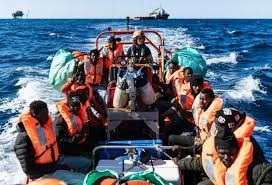
United Nations human rights officials have long raised concerns about abuse, exploitation, and forced labor faced by migrants traveling through Libya. Reports describe cases of detention under harsh conditions, extortion, and violence carried out by both state and non-state actors. Several countries, including the United Kingdom and Spain, have urged Libyan authorities to close controversial detention centers. Advocacy groups argue that improving conditions on land is essential to reducing dangerous sea crossings. The latest shipwreck has intensified calls for immediate reforms and stronger monitoring mechanisms.
- https://www.amnesty.org/en/location/middle-east-and-north-africa/libya/
- https://www.hrw.org/middle-east/north-africa/libya
Many maritime disasters involving migrants are never officially recorded because smugglers fail to report incidents or because boats disappear without distress signals. Families often wait months or years for news about missing relatives, with little information available. Humanitarian organizations refer to these incidents as “invisible shipwrecks,” where victims vanish without documentation. The Mediterranean’s vast waters make search and rescue operations extremely challenging, especially during winter storms. Experts warn that without improved monitoring systems, the true scale of migrant deaths may remain unknown.
International Cooperation Urgently Needed
The IOM and other agencies continue to call for stronger international cooperation to address migration risks and dismantle trafficking networks. Proposed solutions include expanding legal migration pathways, improving search and rescue capabilities, and investing in development programs in migrants’ countries of origin. European and African leaders have debated various strategies, but consensus remains difficult to achieve. Humanitarian groups stress that preventing tragedies requires both immediate rescue efforts and long-term policy changes. The recent disaster off Libya’s coast is likely to reignite political discussions across Europe.
The Human Cost Behind Migration Statistics
Behind every number reported in migration statistics lies a personal story of hope, fear, and loss. The deaths of 53 people in a single incident serve as a reminder of the human consequences of unsafe migration routes. Families across several African countries are now grieving loved ones who never reached their destination. Aid workers emphasize the need to remember the victims not just as statistics but as individuals seeking safety and opportunity. As investigations continue, the tragedy stands as another urgent call for global action to prevent further loss of life at sea.