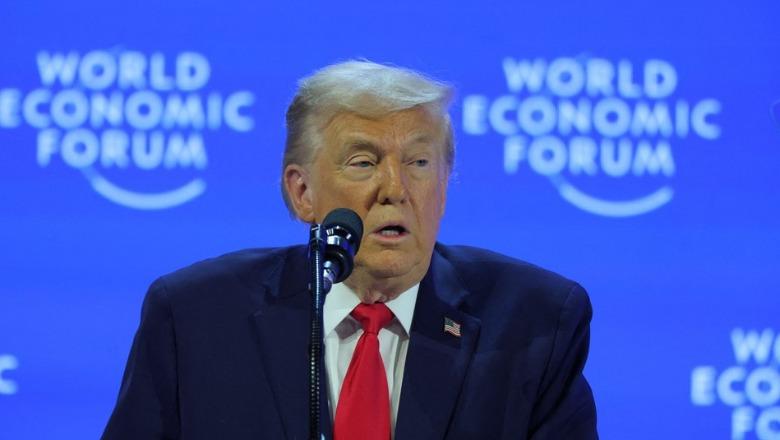
North American trade pact faces uncertainty as negotiations intensify
US President Donald Trump is reportedly considering the possibility of withdrawing from the United States–Mexico–Canada Agreement (USMCA), according to officials familiar with internal discussions. The potential move has created uncertainty for trade relations across North America. While no final decision has been announced, aides say the president is reviewing options ahead of key renegotiations. Markets and policymakers are closely watching developments. The agreement governs roughly two trillion dollars in annual trade.
Sources indicate that Trump has asked advisers about the benefits and drawbacks of remaining in the pact. Despite signing the deal during his first term, he has often criticized trade arrangements he believes disadvantage American industries. A White House official described him as focused on securing a “better deal” for US workers. The administration has not confirmed any formal withdrawal plans. Discussions remain at an exploratory stage.
Trade officials argue that simply extending the 2019 terms may not serve US national interests. Jamieson Greer, from the Office of the US Trade Representative, said negotiations will likely take place separately with Mexico and Canada. According to Greer, talks with Mexico have been more pragmatic, while relations with Canada are described as more challenging. The strategy reflects Washington’s effort to reshape the agreement’s future. Observers say bilateral talks could shift the balance of negotiations.
Mexican President Claudia Sheinbaum downplayed fears that the United States would leave the deal. She emphasized that USMCA remains important for all three economies. Meanwhile, Canadian Prime Minister Mark Carney confirmed holding a “positive” conversation with Trump regarding the upcoming review. Officials in Ottawa declined to comment further on speculation. The differing responses highlight varying levels of concern among partners.
The agreement is set for a mandatory review before a possible extension on July 1. What was once expected to be a routine process has turned into a complex negotiation. Trump has requested additional trade concessions and has linked economic discussions to issues such as migration, drug trafficking, and defense cooperation. Analysts say this broader approach increases pressure on neighboring countries. The review could redefine North American economic integration.
If renewed, the pact could remain in force for another sixteen years. Failure to reach consensus, however, would trigger annual reviews until the agreement expires in 2036. Any member country can begin the withdrawal process with six months’ notice. Experts warn that even the threat of exit may cause instability for investors and global markets. Businesses across the continent are preparing for multiple scenarios.
Industry groups and lawmakers in Washington are expected to resist a full withdrawal. Many companies rely on integrated supply chains linking factories across the three nations. Higher tariffs could increase production costs and affect consumer prices. Economists caution that uncertainty around trade policy often slows investment decisions. The debate comes at a politically sensitive time ahead of midterm elections.
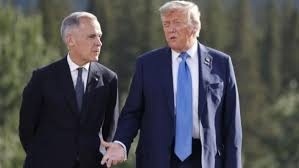
Trump has already escalated tensions with Canada and Mexico through tariff threats and trade pressure. He has warned of steep tariffs on Canadian goods and criticized aspects of cross-border manufacturing. Some analysts believe these threats are negotiation tactics rather than definitive policy shifts. Others see them as part of a broader effort to renegotiate global trade relationships. The unpredictability has kept world leaders on alert.
The USMCA replaced the earlier North American Free Trade Agreement (NAFTA), which governed regional trade since 1994. Trump frequently criticized NAFTA during his first presidential campaign before agreeing to the revised framework. The newer agreement tightened rules on automobile production and introduced a review clause that now drives current negotiations. Many experts view the upcoming talks as a critical test of the pact’s durability.
International media coverage continues to examine the economic and political implications of a potential US withdrawal. Analysts say the outcome could reshape global supply chains and influence relations among Western allies. Additional reporting and analysis can be found at https://www.reuters.com/ and https://www.aljazeera.com/. For now, uncertainty remains the dominant theme as leaders prepare for intense negotiations. Whether Trump uses the threat of exit as leverage or pursues a major policy shift will become clearer in the months ahead.https://newsttoday.com/
- https://newsttoday.com/hero-dog-helps-police-find-missing-boy-in-us/
- https://newsttoday.com/us-appeals-court-backs-trump-plan-on-tps-deportations/