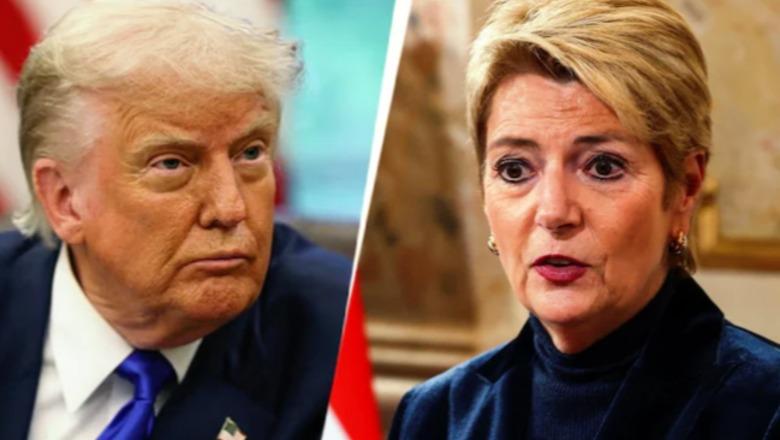
Trump Raises Swiss Tariffs After Tense Phone Call With Swiss Leader
US president links trade decision to deficit concerns and diplomatic friction
US President Donald Trump has revealed that a tense phone conversation with a Swiss leader influenced his decision to raise tariffs on goods from Switzerland to 39 percent. Speaking during an interview with Fox Business, Trump said he was unhappy with the tone of the discussion. The move marks a significant escalation in trade tensions between the two countries. Analysts say the decision adds uncertainty to transatlantic economic relations. Markets reacted cautiously as details emerged.
During the interview, Trump argued that Switzerland had benefited for years from extremely low tariffs when exporting products to the United States. He claimed that American companies received little in return while imports from Switzerland increased. The president pointed to a reported 42-billion-dollar trade deficit as justification for stronger action. According to him, the previous proposal of a 30 percent tariff was “too low.” His remarks signaled a tougher negotiating stance toward trade partners.
Trump described receiving a call from Swiss Federal Council member Karin Keller-Sutter, whom he mistakenly referred to as Switzerland’s prime minister. In reality, Switzerland operates under a federal council system and does not have a traditional prime minister role. Trump said the conversation was “aggressive but polite,” yet he disliked how she spoke during negotiations. The exchange reportedly convinced him to increase tariffs instead of lowering them. Diplomatic observers say the comments may complicate future talks.
According to Trump, Switzerland argued that as a smaller economy it could not accept certain trade demands. He claimed this response reinforced his belief that the United States had been treated unfairly. The president framed the decision as part of a broader effort to rebalance global trade relationships. He suggested that similar measures could be applied to dozens of other countries. Critics, however, warn that sudden tariff increases could trigger retaliatory steps.
Trade experts note that tariff disputes often reflect deeper disagreements over market access and industrial policy. Switzerland’s export-driven economy relies heavily on stable trade relations with the United States. Higher tariffs could affect sectors such as pharmaceuticals, machinery, and luxury goods. Economists say companies on both sides may face increased costs if tensions continue. Some analysts believe the decision is also tied to domestic political messaging ahead of elections.
https://www.reuters.com/
https://www.aljazeera.com/
The White House has not released detailed documentation explaining how the 39 percent figure was calculated. Officials close to the administration say the president wants to maintain leverage during negotiations. Trump has frequently used tariffs as a bargaining tool in past trade disputes. Supporters argue that aggressive tactics help secure better deals for American workers. Opponents counter that unpredictability may discourage long-term investment.
In November, US and Swiss negotiators reportedly reached a preliminary agreement to lower tariffs to around 15 percent. Trump said Swiss companies had promised investments worth up to 200 billion dollars in the United States by 2028. Despite that progress, the recent tariff increase suggests that negotiations remain fragile. Business leaders on both sides are urging calm and continued dialogue. The shift highlights how quickly trade discussions can change direction.
Swiss officials have not publicly responded in detail to Trump’s latest comments. Diplomatic sources indicate that discussions are ongoing behind closed doors. Analysts believe Switzerland will seek clarification before considering any countermeasures. The situation illustrates the delicate balance between diplomacy and economic competition. European leaders are watching closely as tensions unfold.
The decision also reflects Trump’s broader criticism of countries he believes benefit from low US tariffs. He has argued that many nations exploit American markets without offering equivalent access in return. This perspective has shaped several trade disputes during his political career. Experts say the Swiss case could set a precedent for future negotiations. Global investors are monitoring whether other countries might face similar measures.
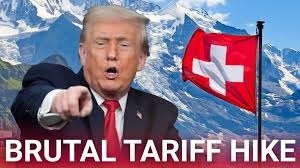
As negotiations continue, the long-term impact of the tariff increase remains uncertain. Some economists predict that both sides may eventually reach a compromise to avoid damaging trade flows. Others warn that escalating rhetoric could harden positions on both sides of the Atlantic. For now, Trump’s remarks highlight how personal diplomacy can influence economic policy. The coming months will likely determine whether tensions ease or expand into a wider trade conflict.https://newsttoday.com/
- https://newsttoday.com/trump-meets-netanyahu-over-iran-nuclear-talks/
- https://newsttoday.com/trump-considers-exit-from-usmca-trade-deal/