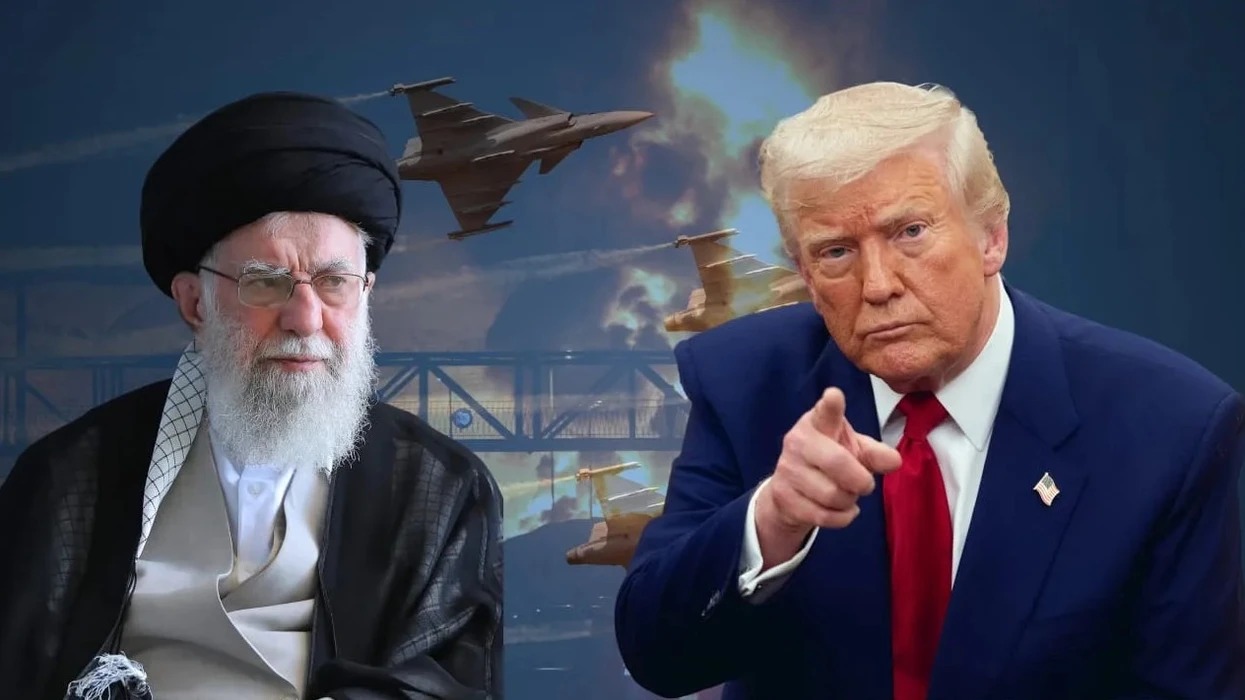
Trump Suggests Regime Change in Iran Amid Rising Tensions
US president’s remarks on nuclear talks and military pressure spark global reactions
US President Donald Trump has sparked controversy after suggesting that a regime change in Iran could be “the best thing that could happen.” His remarks came during a media interview where he criticized years of diplomatic dialogue. According to Trump, prolonged negotiations have failed to stop regional instability. The comments immediately drew international attention. Analysts say such statements could escalate tensions across the Middle East.
During the interview, Trump argued that decades of talks had produced little progress. He claimed that for nearly half a century, discussions with Iran have continued without meaningful results. The president emphasized that the United States has suffered losses while negotiations dragged on. His remarks reflect growing frustration within parts of the US political establishment. Critics, however, warn that stronger rhetoric could complicate diplomatic efforts.
Trump also addressed questions about Iran’s nuclear facilities. He suggested that if military action were taken, little would remain intact. While not confirming any specific operation, he described a scenario where US forces would eliminate remaining capabilities. These statements have raised concerns among global observers. Security experts say such language may increase pressure on Tehran during negotiations.
The US leader reiterated that Washington does not want Iran to enrich uranium. According to him, a successful agreement would require strict limits on nuclear activities. Trump argued that previous deals failed to guarantee long-term security. His administration has repeatedly pushed for tougher conditions in any new arrangement. Diplomats say the gap between US and Iranian positions remains significant.
When asked how Iran could avoid a potential strike, Trump said the country should offer a “proper deal.” He claimed that a stronger agreement earlier could have prevented current tensions. The president accused Iranian leaders of talking too much without taking action. This stance signals a shift toward more confrontational diplomacy. Observers believe negotiations may become more difficult as rhetoric intensifies.
The situation has grown more serious as the United States increases its military presence in the region. Reports confirm that a US aircraft carrier has already been deployed to the Middle East. Analysts interpret the move as both a deterrent and a negotiating tool. Military deployments often accompany high-stakes diplomatic discussions. The development has heightened global concern about possible escalation.
International reactions to Trump’s comments have been mixed. Some political allies argue that stronger pressure could force Iran back to the negotiating table. Others warn that public calls for regime change risk undermining diplomatic channels. European leaders have urged restraint and continued dialogue. Experts emphasize the importance of avoiding misunderstandings during sensitive negotiations.
Iranian officials have repeatedly stated that their nuclear program is peaceful. They insist the country does not seek nuclear weapons and is open to verification mechanisms. However, deep mistrust between Washington and Tehran continues to shape the conversation. Analysts say both sides face domestic political pressure that limits compromise. The current environment makes breakthroughs difficult.
Global media coverage has highlighted the potential consequences of Trump’s remarks. International outlets continue to analyze whether the comments signal a real policy shift or a negotiating strategy. More analysis and updates can be followed here:
https://www.reuters.com/
https://www.aljazeera.com/
These reports explore how rising tensions could affect regional security.
As discussions continue, the world is watching closely for signs of either escalation or renewed diplomacy. Trump’s strong rhetoric may be intended to gain leverage in negotiations. At the same time, experts caution that language around regime change carries serious geopolitical risks. The coming weeks could determine whether the situation moves toward conflict or compromise. For now, uncertainty remains the defining feature of US–Iran relations.https://newsttoday.com/
- https://newsttoday.com/trump-raises-swiss-tariffs-after-tense-phone-call/
- https://newsttoday.com/trump-meets-netanyahu-over-iran-nuclear-talks/