Jakarta Signals Major Peacekeeping Role
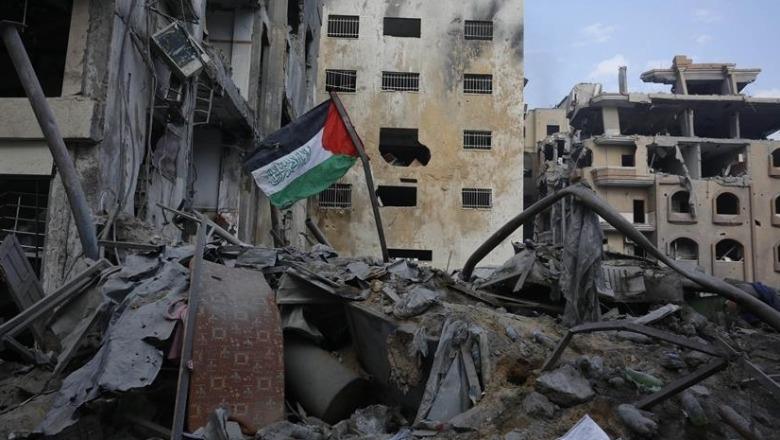
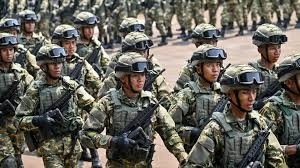
Indonesia has announced preparations to deploy up to 8,000 soldiers to Gaza as part of a proposed international stabilization mission linked to a ceasefire framework brokered by the United States. Military officials confirmed that training programs for selected personnel have already begun. According to Indonesia’s army chief, the troops are expected to focus primarily on medical assistance and engineering operations rather than direct combat roles. The announcement marks one of the most significant international commitments to Gaza since the latest phase of negotiations began. Analysts say Indonesia’s involvement reflects its growing diplomatic ambitions in global peacekeeping efforts.
https://www.bbc.com/news/world-middle-east
https://www.reuters.com/world/
Role Within the Proposed International Stabilization Force
The planned deployment is tied to a United Nations Security Council mandate aimed at forming an International Stabilization Force (ISF). The mission would reportedly focus on securing border areas in Gaza and supporting post-war reconstruction efforts. Officials say the force could also oversee demilitarization initiatives, though the exact responsibilities of Indonesian troops remain unclear. The proposed structure highlights a broader effort to create a multinational presence capable of maintaining stability after the ceasefire. However, many details about timelines and operational authority have yet to be finalized.
Connection to Trump’s Peace Board Initiative
Indonesia recently joined a peace initiative linked to U.S. President Donald Trump, which aims to coordinate political and security efforts in Gaza following the ceasefire agreement reached last year. The board is expected to hold its first meeting in Washington, where participants will discuss governance reforms and reconstruction plans. Observers say Indonesia’s participation reflects its desire to play a constructive role in shaping the region’s future. The initiative has sparked debate internationally, with some governments expressing cautious support while others remain skeptical about its long-term impact.
Domestic Reaction Inside Indonesia
The decision to participate in the mission has triggered mixed reactions within Indonesia itself. Some Islamic groups have criticized the move, arguing that cooperation with U.S.-led initiatives could be politically sensitive given public sentiment about the conflict in Gaza. Protests and public debates have highlighted concerns about the risks facing Indonesian troops abroad. Supporters of the deployment, however, argue that Indonesia has a moral responsibility to contribute to peace efforts as the world’s largest Muslim-majority country. President Prabowo Subianto has defended the plan as a step toward promoting a long-term two-state solution.
Possible Deployment Zones and Logistics
Israeli media reports suggest that a zone between Rafah and Khan Younis in southern Gaza could be used to host Indonesian forces, including the construction of barracks and logistical facilities. While these plans have not been officially confirmed, they indicate that preparations for a multinational presence may already be underway. Military planners are reportedly assessing infrastructure needs and security conditions before any deployment takes place. Experts say that building secure bases will be essential for ensuring the safety of peacekeeping personnel in a volatile environment.
Other Muslim Nations Considering Participation
Indonesia is not the only country exploring involvement in the proposed stabilization force. Turkey and Pakistan have also discussed the possibility of contributing troops, though both governments have emphasized that their role would be strictly limited to peacekeeping operations. Officials from these countries have clarified that they would not participate in any forced disarmament efforts against Hamas. This position reflects the delicate political balance many nations must maintain while engaging in international missions in Gaza. Coordination among participating countries is expected to be a key challenge moving forward.
Challenges Facing the Peacekeeping Plan
Despite growing international interest, significant obstacles remain before any deployment can occur. Hamas has refused to surrender its weapons, while Israeli forces continue operations in parts of Gaza, creating uncertainty about the security environment. Analysts warn that without a stable ceasefire and clear political agreements, the proposed stabilization force could face serious risks. Negotiators are still working to define the legal framework and command structure for the mission. Until these issues are resolved, the timeline for Indonesia’s troop deployment remains uncertain.
Strategic Implications for the Region
Indonesia’s decision could reshape regional diplomacy by introducing a new player into Middle Eastern peace efforts. Some observers believe the move may strengthen ties between Southeast Asia and the Middle East, particularly in humanitarian and reconstruction initiatives. Others caution that the success of the mission will depend heavily on cooperation between global powers and local authorities. The coming weeks are expected to bring further discussions as leaders attempt to finalize operational details. For now, Indonesia’s planned deployment signals a significant step toward a potential multinational presence aimed at stabilizing Gaza after years of conflict.https://newsttoday.com/
The bonuses here are actually legit and the customer support is very helpful when I had trouble with my deposit. Love idaman788
The login process is super quick and the bonuses for new members are actually worth it. Love the vibe here at jilibet020login
Best place to spend some free time. The payouts are consistent and the games are always updated. Love using ph168jili on my breaks.
The app version is just perfect for playing on the go. Very stable and the rewards are awesome. Download winboxcasinoapk and see for yourself!
Login is seamless and the account management is very straightforward. No unnecessary hassle just pure gaming. 3lcomlogin is just efficient.
I’ve been trying a few platforms lately and this one really stands out for its speed. Everything is smooth and easy to navigate. Definitely worth checking out ug234
The bonuses here are actually worth it and not just bait. I managed to win a decent amount yesterday and the withdrawal was surprisingly fast. Big fans of krwinevo54 here.
Straight to the point and no nonsense. The registration was fast and I was playing in minutes. I really appreciate the efficiency of vnnohu001
I’ve been trying a few different spots lately and this one really stands out. The interface is smooth and the payouts are quick. Definitely check out br234bet if you want a reliable experience.
I’ve been using this app for a few weeks now and the interface is super smooth. Definitely one of the best experiences I’ve had lately. Check out x777eeapp
Fast deposits and even faster withdrawals. I really appreciate the transparency of krrwin.
Login is always fast and secure. I don’t have to worry about my account getting locked out. jiliflogin makes the whole process stress free.
Quick, safe, and efficient. I was worried about the APK but this site is trustworthy and the file works perfectly. Grab your copy at ph143downloadapk.
The app is incredibly stable and the graphics are crisp. It makes gaming on the go so much better. You should definitely give ctayaapp a try.
Quick access and very user friendly. I love how easy it is to manage my account without any hassle. Great job by the pklucky97login team.
Finally found a place that doesn’t lag during peak hours. The customer support was helpful when I had a question about my deposit. Give vnsv6688k a shot.
The app version is way more convenient than the browser. Installation was quick and it runs perfectly on my Android. Get the jili66appdownload and play on the go.
Very impressive selection of games and the local payment methods make everything so much easier. I am very satisfied with this service. vnneu88
If you like Jili games, this is the absolute best place to play them. The win rates feel much fairer here. Check out jilijdb for the best action.
The graphics and sound effects on these slots are amazing. It feels like a real casino experience right from my phone. Love onyxslot
Super easy registration process and the customer support team is actually helpful. It is rare to find a site this user friendly. Give bdbtd88 a try.
The app is very stable and the graphics are amazing. I spend a lot of my free time here because it is just so addictive. Get the phbingoplusapp now
I’ve tried a lot of platforms but this one is surprisingly smooth. The payout speed is impressive and the games are top notch. Definitely check out ss88slot if you want a reliable spot.
Solid platform with a very fair system. I really appreciate the customer support team for helping me out with my account setup quickly. Give pkzk888 a shot if you want a stress free game.
Super friendly community and a very secure environment. I feel safe depositing my funds here. Big thanks to idamara16.
A hidden gem for gamers. The selection of apps is fantastic and everything works as advertised. Check out in7apkallapp for the best tools.
The app version is a game changer. I can play anywhere and it doesn’t crash. If you prefer mobile gaming, ok777betapp is the way to go.
Just hit a nice streak today! The bonuses are generous and the site feels very secure. I’m sticking with winxx26 for a while.
Solid platform with a great variety of games. I appreciate how the mobile version works perfectly without lagging. I’ll be sticking with idunsur138 for a while.
Really impressed with the fast payouts here. The interface is smooth and I had a great run last night. Definitely checking out krwinbet30 again soon!
Finally found a place that actually pays out on time. The interface is super intuitive and easy to navigate. Check out jitu100login if you want a reliable spot to play.