Military buildup continues despite low short-term invasion risk
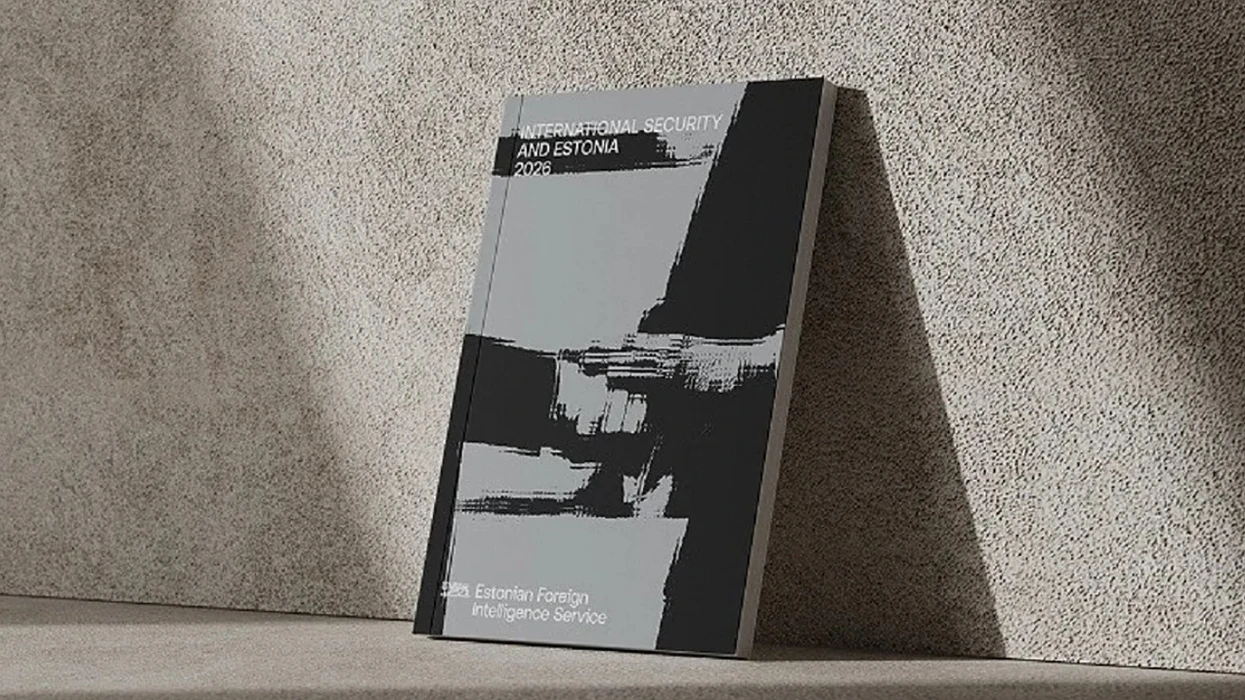
Estonia’s Foreign Intelligence Service released its annual assessment stating that Russia is unlikely to launch a military attack against Estonia or other NATO members in the near future. The report aims to calm fears of an immediate escalation in Europe. Officials emphasized that while tensions remain high, there is currently no sign of a direct offensive this year. The document highlights ongoing monitoring of regional security developments. Analysts say the report reflects a cautious but measured outlook.
Despite the absence of immediate invasion plans, intelligence officials warned that Moscow continues to expand its armed forces. The report notes a steady increase in troop numbers and modernization of military infrastructure. Strategic artillery reserves are also being replenished at a rapid pace. Such moves indicate long-term planning rather than short-term aggression. Security experts believe these preparations could shape future geopolitical dynamics.
One of the most significant concerns raised involves the growing use of unmanned aerial vehicles. According to the assessment, Russia is developing large-scale drone capabilities based on a mass-army model. This approach could allow for sustained operations in potential future conflicts. Analysts say the expansion of drone programs reflects lessons learned from the war in Ukraine. The trend has drawn attention from Western defense planners.
The report describes control over Ukraine as a central strategic objective for Russian President Vladimir Putin. Intelligence officials argue that Moscow views dominance in the region as a way to restore its status as a global power. They also claim that peace negotiations may serve as tactical tools rather than genuine diplomatic efforts. This interpretation has sparked debate among international observers. Some experts believe the assessment reflects growing distrust between Russia and Western allies.
Kaupo Rosin, head of Estonia’s intelligence service, stated that Russia remains a dangerous actor despite its challenges. In his preface, he urged vigilance while stressing that there is no reason for panic at the moment. His comments underline a balance between caution and reassurance for the public. Officials want to avoid unnecessary alarm while maintaining strong defensive readiness. The message signals continued concern about long-term risks.
Another striking finding is the massive increase in Russia’s artillery ammunition production. The report claims output has grown more than seventeenfold since 2021. Increased production combined with imports could allow Moscow to rebuild strategic stockpiles. Such reserves are seen as essential for potential future conflicts beyond the current war. Defense analysts view this development as one of the most important indicators of Russia’s military direction.
Estonian officials also noted economic pressure inside Russia as resources are redirected toward defense industries. Traditional sectors of the economy are reportedly being squeezed to support military expansion. According to the report, the Kremlin aims to project resilience and long-term endurance. However, intelligence analysts suggest that internal economic conditions may be more fragile than publicly presented. The contrast between image and reality is a key theme throughout the document.
The report further warns that Moscow could tighten internal political control in the coming years. New restrictions on independent online media are expected to take effect by 2026. Observers say these measures may limit access to alternative sources of information. Increased censorship could shape public perception of the war and domestic policies. Analysts believe this trend reflects growing concern within the Kremlin about dissent.
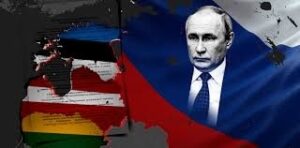
International media coverage has focused on the dual message of reassurance and warning contained in the report. While the risk of an immediate NATO attack appears low, long-term security challenges remain significant. Experts argue that military expansion and strategic messaging are central to Russia’s broader geopolitical strategy. Additional global analysis can be found at https://www.reuters.com/ and https://www.aljazeera.com/. These outlets highlight the complex balance between deterrence and diplomacy.
As European leaders review the findings, the report is likely to influence defense planning across the region. NATO members continue strengthening cooperation while monitoring developments closely. The assessment serves as a reminder that absence of immediate threat does not mean lasting stability. Policymakers are expected to focus on resilience, intelligence sharing, and strategic preparedness. For now, Estonia’s message is clear: vigilance remains essential even without imminent conflict.https://newsttoday.com/