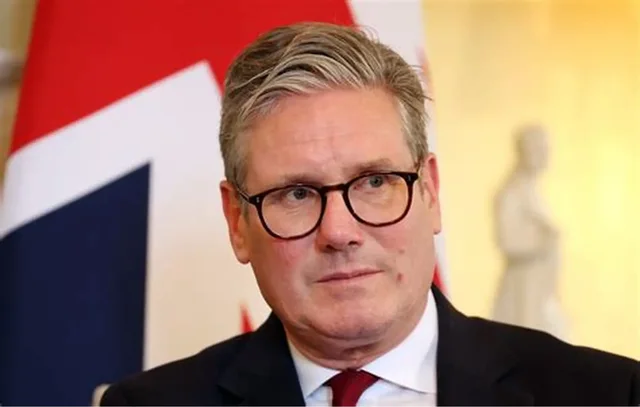
Keir Starmer Rejects Resignation Calls Amid Epstein File Row
Political Pressure Mounts on the UK Prime Minister
British Prime Minister is facing one of the toughest political challenges of his leadership after renewed scrutiny surrounding Peter Mandelson and previously reported links to Jeffrey Epstein resurfaced in newly released documents. Calls for his resignation have intensified among critics, but Starmer has publicly declared that he has no intention of stepping down. Speaking to Labour MPs during a tense internal meeting, he framed the controversy as part of a broader political struggle rather than a leadership crisis. His comments emphasized resilience, highlighting his past victories in legal and political battles. Supporters argue that his firm stance is aimed at preventing instability within the government during a sensitive international period.
https://www.bbc.com/news/uk-politics
https://www.theguardian.com/politics
Starmer’s Defiant Response to Critics
During his address to party colleagues, Starmer underlined his long career in public service, including his time leading the Crown Prosecution Service, portraying himself as someone accustomed to pressure. He insisted that every major challenge he has faced has strengthened his resolve rather than weakened it. Critics within and outside the Labour Party have questioned his decision-making, particularly regarding Mandelson’s appointment to a diplomatic role despite earlier controversies. Starmer acknowledged the criticism but argued that political opponents are attempting to undermine the success of his administration. Analysts note that strong rhetoric from party leaders often serves to rally internal support during moments of crisis.
Mandelson’s Role and the Political Fallout
Keir Starmer The political storm intensified after documents suggested that Peter Mandelson had shared sensitive information during his tenure as business secretary in 2009, sparking renewed debate about transparency and accountability in British politics. Mandelson has denied wrongdoing, but the allegations have placed Starmer under increasing pressure because of his earlier support for the former minister. Following the release of the documents, Mandelson stepped down from several political positions, including his role in the House of Lords. Observers say the controversy highlights the risks political leaders face when appointing controversial figures to prominent roles. The situation has also triggered renewed media scrutiny of historical political relationships.
https://www.reuters.com/world/uk/
https://apnews.com/hub/uk-politics
Epstein Document Release Sparks Global Debate
The controversy surrounding Starmer comes amid a broader international reaction to newly disclosed materials connected to Jeffrey Epstein. The U.S. Department of Justice released millions of pages of documents, videos, and investigative records under a transparency law passed in late 2025. Although much of the material remains heavily redacted, the scale of the release has reignited discussions about accountability, political connections, and institutional oversight. Survivors and advocacy groups have argued that the disclosures still fail to provide a full picture of Epstein’s network. Legal experts suggest that large document releases often create political consequences in multiple countries, especially when public figures are mentioned.
Internal Labour Party Tensions and Strategic Calculations
Within the Labour Party, reactions to the controversy remain divided. Some MPs have expressed strong support for Starmer’s refusal to resign, arguing that stepping down would create unnecessary political chaos. Others, however, are concerned about the long-term impact on the party’s reputation and electoral prospects. Party strategists are reportedly focused on maintaining unity while minimizing public disagreements. Political analysts say internal divisions can become a significant risk if controversies continue to dominate headlines. The leadership’s challenge now lies in balancing transparency with the need to maintain political stability.
Opposition Criticism and Public Perception
Opposition parties have seized on the scandal to question Starmer’s judgment and leadership style, arguing that the controversy demonstrates poor decision-making. Critics claim that voters expect higher standards of accountability from government leaders, particularly when allegations involve sensitive issues. Public opinion polls suggest that while some voters remain loyal to the Labour government, others are becoming increasingly skeptical about the handling of the situation. Political commentators note that scandals involving high-profile figures often shape public perception more than policy achievements. The coming weeks may prove crucial in determining whether the controversy evolves into a larger political crisis.
https://www.politico.eu/
https://www.ft.com/world/uk
International Implications and Diplomatic Concerns
Beyond domestic politics, the controversy has drawn international attention because of its links to figures connected to global diplomatic networks. Analysts believe that political stability in the United Kingdom remains important for European cooperation, especially amid ongoing geopolitical tensions. Some observers have warned that prolonged political turmoil could weaken Britain’s influence on the international stage. Starmer’s refusal to step down may be intended to signal continuity to allies and partners abroad. Maintaining credibility in diplomatic relations is often a key consideration for leaders facing domestic criticism.
Media Coverage and the Role of Transparency
The extensive media coverage surrounding the Epstein files and the Mandelson controversy highlights the growing role of investigative journalism in shaping political narratives. News organizations across the UK and internationally have analyzed the released documents, seeking to understand their broader implications. Transparency advocates argue that public access to information is essential for maintaining democratic accountability. However, critics warn that incomplete or heavily redacted files can sometimes fuel speculation rather than provide clarity. The balance between transparency and privacy remains a complex issue in modern political reporting.
Starmer’s Leadership Strategy Moving Forward
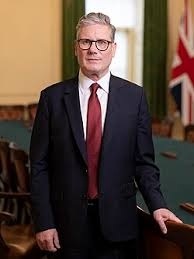
As the political debate continues, Starmer appears determined to shift attention back toward his government’s policy agenda. He has emphasized economic reforms, social investment, and international cooperation as key priorities moving forward. Political advisers believe that focusing on policy achievements could help counteract the negative impact of the controversy. At the same time, maintaining internal party discipline will be crucial to avoiding further divisions. Analysts suggest that strong leadership during crises often depends on a leader’s ability to control the narrative while addressing legitimate concerns.
What Comes Next for UK Politics
The long-term consequences of the controversy remain uncertain, but many observers believe the situation could shape British politics for months to come. If additional documents or revelations emerge, pressure on the prime minister could intensify further. On the other hand, a lack of new developments may allow the government to gradually move beyond the scandal. Political experts emphasize that public trust and consistent messaging will play a decisive role in determining the outcome. For now, Keir Starmer’s firm refusal to resign signals a clear intention to weather the storm and continue leading the country despite mounting criticism.