Russia Signals Caution Over Peace Negotiations
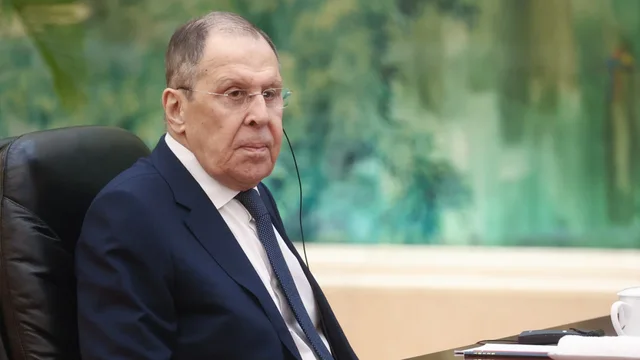
Russian Foreign Minister Sergey Lavrov has expressed skepticism about recent diplomatic pressure linked to U.S. President Donald Trump’s efforts to push forward negotiations aimed at ending the war in Ukraine. Speaking to Russian media outlets, Lavrov emphasized that expectations of a rapid breakthrough remain unrealistic. He stated that despite ongoing discussions, significant political and military issues remain unresolved. According to Russian officials, any lasting agreement will require deeper negotiations rather than quick diplomatic gestures. His comments highlight the complex dynamics shaping current peace efforts.
The United States has attempted to mediate discussions between Moscow and Kyiv, presenting various proposals designed to reduce tensions and move toward a ceasefire framework. However, no formal agreement has been reached so far, despite repeated promises that progress was possible. Lavrov said that “there is still a long road ahead,” indicating that Russia believes the negotiations remain at an early stage. Analysts note that mediation efforts often involve confidential drafts and unofficial channels before public announcements are made. Diplomatic sources suggest that both sides remain far apart on several core issues.
Moscow’s View on Western Pressure
Lavrov’s remarks included criticism of what he described as pressure placed by Washington on European allies and Ukraine. He argued that recent moves by the United States to reshape the diplomatic environment were not sufficient to guarantee a breakthrough. According to Russian officials, the conflict’s resolution requires addressing security concerns raised by Moscow long before the current phase of negotiations began. Political observers believe these statements are part of a broader strategy to manage expectations among domestic audiences. They also signal that Russia intends to maintain a firm negotiating position.
Deputy Foreign Minister Alexander Grushko outlined specific conditions that Moscow considers essential for any future settlement. Among them is the demand that Ukraine should not join NATO and that no foreign troops be stationed on Ukrainian territory. These requirements reflect long-standing Russian objections to NATO expansion toward its borders. Western officials have repeatedly said that security decisions should remain in the hands of sovereign nations, making this issue one of the most difficult points in negotiations. Experts say the gap between these positions could prolong diplomatic efforts.
Europe’s Role in the Negotiation Process
European governments have been closely involved in discussions surrounding potential peace frameworks, though they often emphasize support for Ukraine’s sovereignty and territorial integrity. Lavrov’s comments suggest that Russia views Europe as influenced by U.S. policy decisions, a perspective that has been repeated in previous diplomatic exchanges. European leaders continue to push for unity within NATO and the European Union as talks progress. Observers note that balancing transatlantic cooperation with independent European diplomacy remains a major challenge. The outcome of negotiations could significantly reshape Europe’s long-term security architecture.
President Trump’s approach to diplomacy has sparked varied reactions among international leaders. Supporters argue that direct pressure on negotiating parties can accelerate peace talks, while critics warn that rapid solutions may overlook complex realities on the ground. Lavrov’s skepticism reflects a broader uncertainty about whether current diplomatic strategies can produce sustainable results. Political analysts say that any agreement will require compromises from multiple sides, not just pressure from external actors. The debate surrounding Trump’s role illustrates how global politics continue to influence the trajectory of the conflict.
Military and Strategic Considerations
Beyond diplomatic language, military realities remain a central factor shaping negotiations. Both Russia and Ukraine continue to maintain significant forces along contested regions, making a ceasefire difficult without clear security guarantees. Lavrov’s comments indicate that Moscow seeks assurances regarding NATO’s future presence near Russian borders. Western officials, meanwhile, argue that Ukraine must retain the right to choose its alliances. These competing visions highlight the strategic complexity behind every diplomatic statement released to the public.
Challenges Facing a Future Peace Agreement
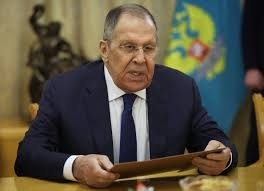
Even if negotiations advance, analysts warn that implementing any agreement will be a complicated process involving monitoring mechanisms, security arrangements, and long-term reconstruction efforts. Previous attempts at ceasefires in the region have faced setbacks due to mistrust and disagreements over enforcement. Lavrov’s cautious tone suggests that Russia is preparing for prolonged negotiations rather than immediate resolution. Experts believe that realistic expectations are crucial to maintaining diplomatic momentum. The coming months may determine whether talks move toward a formal framework or remain stalled.
Outlook for the Ukraine Conflict
As discussions continue, the international community remains divided on how quickly progress can be achieved. Lavrov’s statements underline Russia’s reluctance to embrace overly optimistic narratives about peace. While diplomatic channels remain open, the gap between Moscow’s demands and Western-backed proposals remains significant. Observers expect further rounds of negotiations as global powers attempt to prevent escalation. For now, the path toward a comprehensive peace agreement in Ukraine appears uncertain, reinforcing Lavrov’s warning that the end of the conflict is still far from reach.https://newsttoday.com/