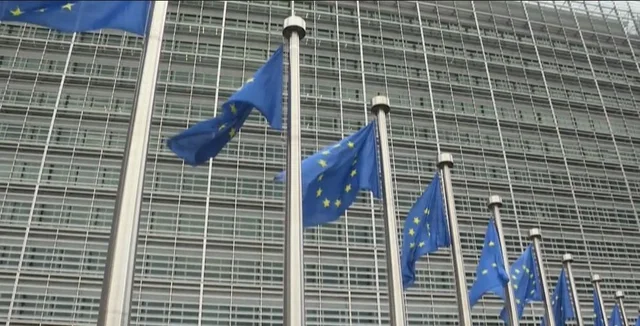
NATO Brussels Summit Focuses on Ukraine and Western Balkans
Defense Ministers Gather to Strengthen Alliance Security
NATO defense ministers are set to meet at the Alliance’s headquarters in Brussels on February 12, 2026, for a key ministerial session led by Secretary General Mark Rutte. The meeting comes at a time of ongoing geopolitical tension across Europe and beyond. Officials say the gathering will focus heavily on strengthening collective defense strategies. The summit is also expected to review progress made since the previous high-level meetings. Security cooperation remains at the core of the discussions.
Ukraine Support Remains a Central Priority
Support for Ukraine continues to dominate NATO’s agenda as the conflict with Russia enters another critical phase. Ministers are expected to discuss military assistance, training missions, and long-term security commitments. NATO leaders have repeatedly emphasized that Ukraine’s stability is directly linked to European security. The alliance aims to coordinate resources among member states more effectively. Strengthening deterrence along NATO’s eastern flank will also be reviewed.
- https://www.nato.int/cps/en/natohq/index.htm
https://www.reuters.com/world/europe/
https://apnews.com/hub/nato - Defense Spending Targets and Long-Term Commitments
One of the main topics at the Brussels summit is the implementation of new defense spending commitments. Following agreements reached at earlier meetings, member states are working toward significant increases in annual defense investments. Officials highlight the importance of sustainable funding for modern military capabilities. Discussions will likely include timelines, accountability, and shared responsibilities. Increasing defense budgets is seen as essential to maintaining readiness.
Western Balkans Stability on the Agenda
The Western Balkans has emerged as a strategic focus area for NATO, with ministers expected to discuss regional security challenges. Alliance representatives stress that maintaining stability in the region is vital to preventing broader geopolitical risks. NATO officials have reiterated that they will not allow any security vacuum to develop. Cooperation with regional partners remains a priority for the alliance. The meeting may also address political tensions and hybrid threats affecting the region.
KFOR Mission and Ongoing NATO Operations
NATO-led missions will be another key discussion point, particularly the KFOR mission in Kosovo, which remains the alliance’s longest-running operation. Ministers are expected to evaluate current troop deployments and operational effectiveness. The mission plays a crucial role in maintaining peace and supporting local institutions. NATO continues to adapt its presence to evolving security conditions. Ensuring coordination among allied forces will be emphasized during the talks.
Industrial Defense Capacity and Military Readiness
Leaders will also examine how NATO members are strengthening defense industry cooperation to meet rising demand. Increasing production capacity for equipment and ammunition has become a major priority for the alliance. Ministers are likely to discuss ways to improve supply chains and technological innovation. Stronger industrial collaboration is viewed as necessary to support both Ukraine and NATO’s own defense needs. The goal is to enhance long-term resilience.
Evaluating Progress Since Previous Summits
According to NATO statements, the Brussels meeting will assess progress made since earlier summits, including commitments related to modernization and investment. Officials aim to measure how effectively member states are implementing agreed strategies. Transparency and coordination between allies remain essential. The evaluation process is expected to shape future planning within the alliance. Ministers will also discuss emerging threats and strategic challenges.
Political Messaging and Strategic Unity
Beyond military planning, the summit carries significant political importance as NATO seeks to demonstrate unity among its members. Leaders are expected to highlight collective resolve in the face of evolving security risks. Public messaging will likely emphasize solidarity with Ukraine and continued engagement in the Western Balkans. Analysts note that maintaining a united front is crucial for NATO’s credibility. The meeting could set the tone for upcoming international discussions.
Outlook After the Brussels Meeting
As the ministerial session concludes, observers anticipate announcements related to defense cooperation and regional security initiatives. NATO officials may outline new steps to strengthen deterrence and partnership programs. The outcomes of the summit are expected to influence defense planning across Europe in the coming years. While challenges remain, alliance leaders aim to project stability and long-term commitment. The Brussels summit represents another milestone in NATO’s evolving strategy.