
Railway System Under Growing Pressure
Russia has reportedly intensified drone strikes against Ukraine’s railway infrastructure, targeting key logistics hubs, stations, and even passenger trains. The attacks come as Ukraine continues to rely heavily on rail transport for both civilian movement and military logistics during the ongoing conflict. Officials say the railway network has become one of the country’s most vital lifelines, connecting cities and enabling humanitarian operations. Despite repeated strikes, Ukrainian authorities remain determined to keep trains running. The escalating attacks highlight the strategic importance of transport corridors in modern warfare.
One of the most powerful examples of the railway’s role in daily life comes from Iryna Vlasenko, a mother who needed to transport her seriously ill seven-year-old daughter to a hospital in Kyiv during a winter storm. Unable to reach a major station, she contacted Ukraine’s national railway operator, Ukrzaliznytsia, requesting a special stop in her village. The train operator agreed, allowing her daughter to receive urgent medical care. Stories like hers demonstrate how the rail network has become more than just transportation — it is a humanitarian lifeline. Such efforts have strengthened public trust in the railway system despite the ongoing dangers.
Strategic Importance of Ukraine’s Railways
Ukraine’s railway network plays a central role in supporting both civilian evacuation and international diplomacy. With commercial flights suspended since the start of the war, trains have transported foreign leaders, government officials, and humanitarian supplies across the country. The rail corridor between Kyiv and the Polish border has been particularly important for maintaining international connections. Military personnel traveling to and from the front lines also depend on trains during leave rotations. This strategic significance has made railway infrastructure a frequent target in Russian military operations.
According to Ukrzaliznytsia officials, Russia carried out more than a thousand attacks on railway infrastructure last year alone, surpassing the combined total of the previous two years. Drone strikes have targeted power substations, locomotive depots, and key junctions critical for maintaining transport flow. In one incident in the Kharkiv region, drones struck a passenger train, causing fatalities and setting several carriages on fire. Ukrainian President Volodymyr Zelensky condemned the attack, stating that there could be no military justification for harming civilians traveling by rail. The rising intensity of strikes reflects a shift toward disrupting logistics and morale.
Economic and Psychological Impact
Experts believe that Russia’s focus on railway infrastructure is driven not only by military objectives but also by psychological warfare. Railways symbolize national resilience and connectivity, particularly for communities near the front lines. Disruptions to rail services can slow exports, delay humanitarian aid, and isolate entire regions from the rest of the country. Ukrainian officials say maintaining train services is crucial for national unity and economic survival. The damage caused by repeated attacks also increases repair costs and strains already limited resources.
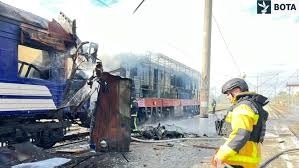
Despite ongoing strikes, Ukrzaliznytsia has developed rapid-repair strategies to keep infrastructure operational. Railway crews often work under dangerous conditions to restore damaged bridges, tracks, and power systems within hours. Officials say that in one case, four destroyed bridges were repaired within just ten hours, demonstrating the determination of railway workers. Emergency measures, including temporary bus routes, are introduced when rail lines become unusable. These efforts show how Ukraine’s transport system has adapted to wartime conditions.
Civilian Safety and Emergency Measures
The increasing frequency of drone attacks has forced railway operators to introduce new safety protocols. Trains may now make emergency stops if air-raid warnings are issued, and passengers are instructed to seek shelter when necessary. Authorities are also reinforcing critical infrastructure points to reduce vulnerability. While these measures help protect travelers, they also slow travel times and create logistical challenges. Balancing safety with operational efficiency has become a daily challenge for Ukrainian transport officials.
Targeting Key Logistics Corridors
Officials say several regions, including Donetsk, Sumy, and Chernihiv, have faced attempts to disrupt entire railway corridors. By targeting major routes connecting southern cities like Zaporizhzhia with central hubs such as Dnipro, Russian forces aim to weaken Ukraine’s supply lines. Damage to locomotives and tracks often forces operators to reroute trains or suspend services temporarily. These disruptions affect not only military logistics but also civilian travel and economic exports. The ongoing battle over transport infrastructure illustrates the broader strategic competition shaping the conflict.
Railways as a Symbol of Resistance
Ukrainian leaders emphasize that keeping trains moving has become a powerful symbol of resilience. Even under constant threat, railway workers continue operating services that connect families, deliver aid, and support national defense. Deputy Prime Minister Oleksiy Kuleba recently stated that while Russia may destroy tracks or carriages, it cannot break the system that keeps the country united. This message reflects a broader narrative of endurance shared by many Ukrainians during the war. As attacks continue, the railway network remains both a practical necessity and a symbol of national strength.https://newsttoday.com/