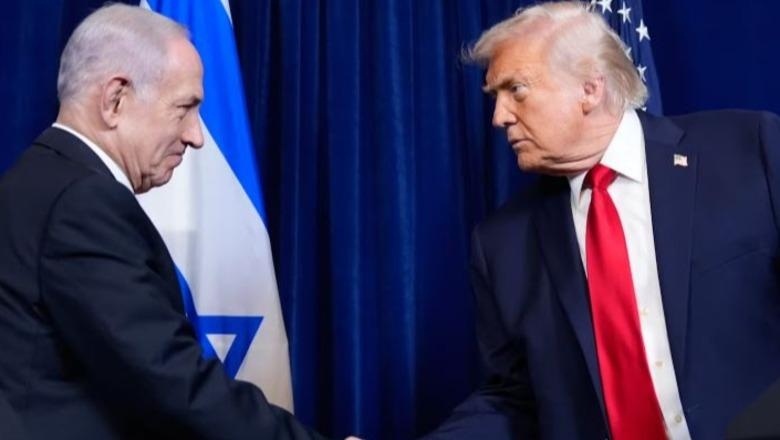
High-stakes meeting comes amid rising Middle East tensions
US President Donald Trump is set to meet Israeli Prime Minister Benjamin Netanyahu at the White House as negotiations over Iran’s nuclear program intensify. The visit arrives at a sensitive moment for the Middle East, with diplomacy and military pressure unfolding simultaneously. Both leaders are expected to discuss security concerns and regional stability. Analysts say the meeting could influence the future direction of US-Iran talks. Global attention is focused on Washington ahead of the talks.
Netanyahu has indicated he will urge Trump to pursue a broader agreement that goes beyond limiting uranium enrichment. Israeli officials want restrictions on Iran’s ballistic missile program and support for armed groups such as Hamas and Hezbollah included in any deal. According to his office, Israel views Iran as a major strategic threat. The prime minister said he plans to present Israel’s principles directly to the US president. His visit marks his sixth trip to the United States since Trump returned to office.
Iranian leaders, meanwhile, have suggested they are willing to limit aspects of their nuclear activities in exchange for sanctions relief. However, Tehran has rejected some broader demands proposed by Washington and its allies. Officials in Iran insist their nuclear program is peaceful. The country’s president has stated that Iran does not seek nuclear weapons and remains open to verification. These positions highlight the complex negotiations currently underway.
The meeting also follows discussions between Netanyahu and Trump’s envoy Steve Witkoff, along with adviser Jared Kushner. Israeli officials said the pair provided updates on earlier negotiation rounds with Iranian representatives. Diplomatic channels remain active despite rising rhetoric from all sides. Observers note that back-channel talks often shape public agreements. The outcome of these exchanges could influence future diplomatic moves.
Washington has recently increased its military presence in the region, adding pressure on Tehran during negotiations. Trump has warned that military action could follow if no agreement is reached. Reports suggest the administration is considering deploying additional naval forces to the Middle East. The presence of the USS Abraham Lincoln carrier group has already raised tensions. Analysts say the buildup aims to strengthen US leverage at the negotiating table.
Despite the tougher tone, some former officials believe Trump may still prefer a diplomatic solution. Avoiding a large-scale conflict could be politically important, especially during a challenging election cycle. Experts argue that threats of force often serve as negotiation tactics rather than final decisions. Iranian leaders are also aware of these political dynamics. This balance between diplomacy and pressure remains central to current talks.
Israel’s internal politics also play a role in Netanyahu’s approach. Analysts say right-wing allies within his government are urging a strong stance against Iran. They fear a limited agreement could leave parts of Tehran’s nuclear infrastructure intact. Israeli leaders want assurances that any deal addresses long-term security concerns. The Washington meeting may determine how closely US policy aligns with Israeli priorities.
Regional tensions remain high following ongoing conflicts and fragile ceasefire efforts in Gaza. The United States has been pushing both Israel and Hamas to maintain agreements aimed at reducing violence. Officials describe cooperation between Washington and Jerusalem as essential for broader regional stability. A White House spokesperson said Israel has “no better ally” than Trump. These dynamics add urgency to the upcoming talks.
International observers are closely monitoring the meeting for signs of progress or confrontation. Major outlets are analyzing whether diplomacy can prevent escalation. Additional global coverage and analysis can be found at https://www.reuters.com/ and https://www.aljazeera.com/. Experts believe the discussions could reshape security strategies across the Middle East. Even subtle changes in tone may influence negotiations with Iran.
As Trump and Netanyahu prepare for their talks, expectations remain cautious. A breakthrough agreement is uncertain, but both sides aim to maintain pressure on Tehran while keeping diplomatic options open. The outcome could affect alliances, energy markets, and regional security policies. For now, the meeting highlights the delicate balance between negotiation and deterrence. The world watches closely as the next phase of nuclear diplomacy unfolds.https://newsttoday.com/